
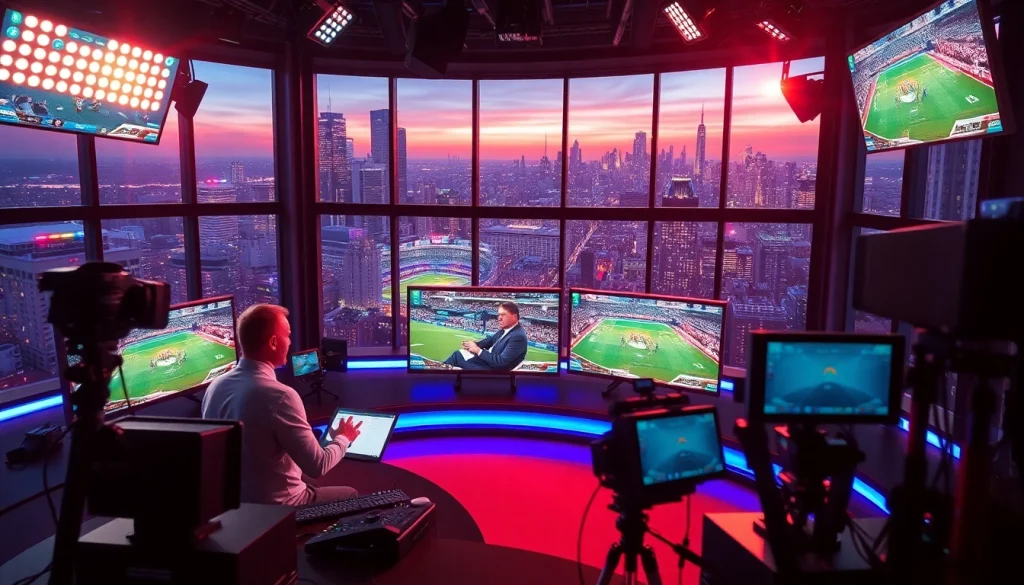
Understanding the Basics of Sports Broadcasting
What is Sports Broadcasting?
Sports broadcasting is a specialized area within the media industry focused on the live transmission of sports events, highlights, commentary, and related content to a broad audience. This practice encompasses various formats, such as television, radio, digital platforms, and streaming services. The purpose is to provide viewers with real-time updates about sporting events, showcasing the excitement and drama inherent in athletic competitions. By delivering authentic and engaging content, sports broadcasting serves as a bridge between the athletes and their fans, fostering a unique community centered around shared interests.
Key Components of Sports Broadcasting
A successful sports broadcast involves several key components:
- Production Crew: A dedicated team of producers, directors, camera operators, and audio engineers work behind the scenes to ensure smooth coverage.
- Commentators and Analysts: These individuals bring the action to life with insightful commentary, expert analysis, and personal anecdotes that enrich the viewer experience.
- Technology: Cutting-edge technology, such as high-definition cameras, drones, and advanced graphics, plays a crucial role in enhancing the visual quality and engagement of broadcasts.
- Distribution Channels: Various platforms, including terrestrial TV, cable networks, and online streaming services, increase accessibility and reach a wider audience.
Importance of Live Coverage
Live coverage is the heartbeat of sports broadcasting. It provides audiences with an immediate connection to events as they unfold, creating a sense of urgency and excitement. Fans feel the adrenaline of a last-minute goal or a winning touchdown in real-time, enhancing their emotional investment. Furthermore, live broadcasting fosters community interaction, allowing viewers to share their reactions and insights via social media in real-time. This interplay creates a collective experience, drawing more fans into the fold and heightening viewer loyalty.
Technology in Sports Broadcasting
Innovative Equipment Used in Sports Broadcasting
Advancements in technology have revolutionized the way sports are broadcasted. High-definition cameras, slow-motion replays, and drones are now standard tools in the sports broadcasting toolkit. Sports Broadcasting employs immersive technologies, such as 4K and 360-degree cameras, to provide fans with a more engaging viewing experience. Furthermore, technologies like augmented reality (AR) overlay graphics that help viewers understand the game better, such as player statistics and tactical formations, enhancing both enjoyment and comprehension.
Streaming vs. Traditional Broadcasting
The rise of digital streaming platforms has transformed sports broadcasting in significant ways. Traditional cable networks dominated the landscape for decades, but the advent of services like Netflix and Hulu has encouraged a shift toward streaming. Fans can now access sports across various devices, including smartphones, tablets, and smart TVs, broadening accessibility. Further, streaming services often provide viewers with options for personalized content, allowing them to choose camera angles, commentators, and additional stats that traditional broadcasting cannot offer.
The Role of Social Media in Sports Broadcasting
Social media has become an essential component of sports broadcasting, enabling real-time interaction between broadcasters and fans. Platforms like Twitter, Instagram, and Facebook facilitate live updates, highlights, and behind-the-scenes content while creating opportunities for audience engagement through polls, comments, and discussions. The ability to share moments instantly has not only enhanced the viewing experience but has also helped networks and brands analyze viewer behavior and preferences, allowing for more targeted content in future broadcasts.
Creating Compelling Content in Sports Broadcasting
Storytelling Techniques for Sports Broadcasting
Storytelling is an art form central to sports broadcasting. A compelling narrative draws viewers in, turning statistics and raw data into human experiences. This could include highlighting an athlete’s difficult journey, a coach’s strategic decision, or the cultural impact of a sports event. Effective storytelling not only engages fans during live broadcasts but also resonates with them long after the game is over. Tools such as personal anecdotes, historical context, and emotional visuals can enhance the narratives, making games memorable and creating lasting impacts.
Engaging Interviews and Personalities
Interviews with players, coaches, and experts provide depth and insight into the sport. Engaging personalities can captivate audiences, drawing them into the story behind the game. It’s essential for broadcasters to prepare thoughtful questions that invite candid responses, evoking emotions and sparking conversation. The dynamics of a good interview turn spectators into fans, making them feel connected to the athletes and teams in a meaningful way.
Incorporating Viewer Interaction
In today’s interactive world, it is essential for broadcasters to incorporate viewer engagement into their programming. This includes utilising social media channels for live polls, viewer Q&As, and fan commentary during broadcasts. By making viewers feel like part of the action, networks can enhance audience loyalty and retain viewership. Strategies such as incorporating fan reactions, using hashtags, and responding to comments can create a dialogue that humanizes the broadcast experience.
Challenges in Sports Broadcasting
Adapting to Changing Viewer Preferences
As viewer preferences shift due to technological advancements and changing societal norms, sports broadcasters must adapt swiftly. Younger audiences gravitate towards on-demand content and personalized experiences, demanding more flexibility in how they consume media. Broadcasters need to analyze viewing patterns and audience feedback deeply, tailoring content delivery accordingly. By improving user experiences and reducing barriers to access, sports networks can capture the attention of this evolving demographic.
Handling Live Event Uncertainties
Live events are often unpredictable, which presents a significant challenge for broadcasters. Unexpected weather conditions, athlete injuries, or technical failures can disrupt broadcasts. Effective contingency planning and proactive communication methods are vital. Training the production team to implement backup plans, practice live simulations, and utilize technology can mitigate risks, allowing broadcasts to run smoothly, even amidst chaos.
Maintaining Sports Integrity
In a highly scrutinized sports environment, maintaining integrity is crucial. Issues like cheating, doping, and game-fixing scandals can erode trust among fans and harm the image of sports broadcasting. Transparent reporting and responsible journalism practices are essential. This includes thorough investigations into claims, balanced reporting, and presenting facts while maintaining respect for the individuals involved. Broadcasters have a responsibility to promote the integrity of sporting events while informing their audiences.
Future Trends in Sports Broadcasting
Impact of Artificial Intelligence on Sports Broadcasting
Artificial intelligence (AI) is poised to transform sports broadcasting by enhancing production efficiencies and improving content personalization. AI algorithms can analyze viewer preferences and adapt programming accordingly, while machine learning can streamline editing processes, reducing costs and time. Automated commentary tools and AI technology also enhance audience engagement through data storytelling and personalized experiences, allowing broadcasters to cater better to diverse viewer interests.
Augmented Reality in Sports Experiences
Augmented reality (AR) technologies have the potential to revolutionize how fans engage with sports broadcasts. By overlaying digital information onto live feeds, broadcasters can provide enhanced viewer experiences that include player stats, in-game analytics, and interactive elements. As AR becomes more widespread, it will create unique viewing opportunities, allowing fans to immerse themselves more fully in the events, transforming passive watching into interactive experiences.
Global Reach and Diverse Audiences
The globalization of sports has expanded viewing audiences beyond geographical boundaries. Sports broadcasting has become increasingly diverse, catering to fans from various cultural backgrounds and regions. Broadcasters can leverage multilingual commentary, regional insights, and culturally relevant themes to connect with global audiences. Embracing diverse storytelling elements can foster deeper connections and make broadcasts more appealing across different demographics.
Frequently Asked Questions
What platforms can I watch sports broadcasts on?
You can watch sports broadcasts on traditional cable TV, digital streaming services, and social media platforms. Availability may vary by sport and region.
How do broadcasters ensure quality in live events?
Broadcasters employ advanced technology, including high-definition cameras and skilled production teams, to maintain quality. They also have contingency plans for unexpected disruptions.
What role does social media play in sports broadcasting?
Social media enhances viewer engagement by providing real-time updates, allowing fan interactions, and sharing highlights, which deepen the broadcast experience.
How has technology changed sports broadcasting?
Technology has transformed sports broadcasting through streaming capabilities, advanced graphics, and enhanced viewer interactivity, improving how audiences experience sports.
What are some challenges facing sports broadcasters today?
Challenges include adapting to changing viewer preferences, managing unexpected live event issues, and ensuring integrity amidst scrutiny and competition.